
The Magic
Of Aloe
Vera
The Miracle Plant Prized by Healers since Ancient Times
From Past to Present... One plant to rule them all
Standing the test of time, belief and science, the humble Aloe Vera has continued to justify the faith of healers and propagate itself around the world and into the hearts, minds and bodies of it’s advocates. Below is a brief history of Aloe Vera and the most up-to-date Science behind this remarkable plant
Aloe Vera: A History from Ancient Times to the Present Day
Aloe Vera, known as “The plant of immortality” and “The Miracle Plant” has a rich history spanning 6,000 years. The Plants origins trace back to the Arabian Peninsula but its use spread rapidly across ancient civilizations. Myths and beliefs abound: some cultures believed Aloe could ward off evil spirits, while others saw it as a symbol of patience and healing. In Mexican folklore, Aloe plants were hung above doorways to protect homes from negative energy.
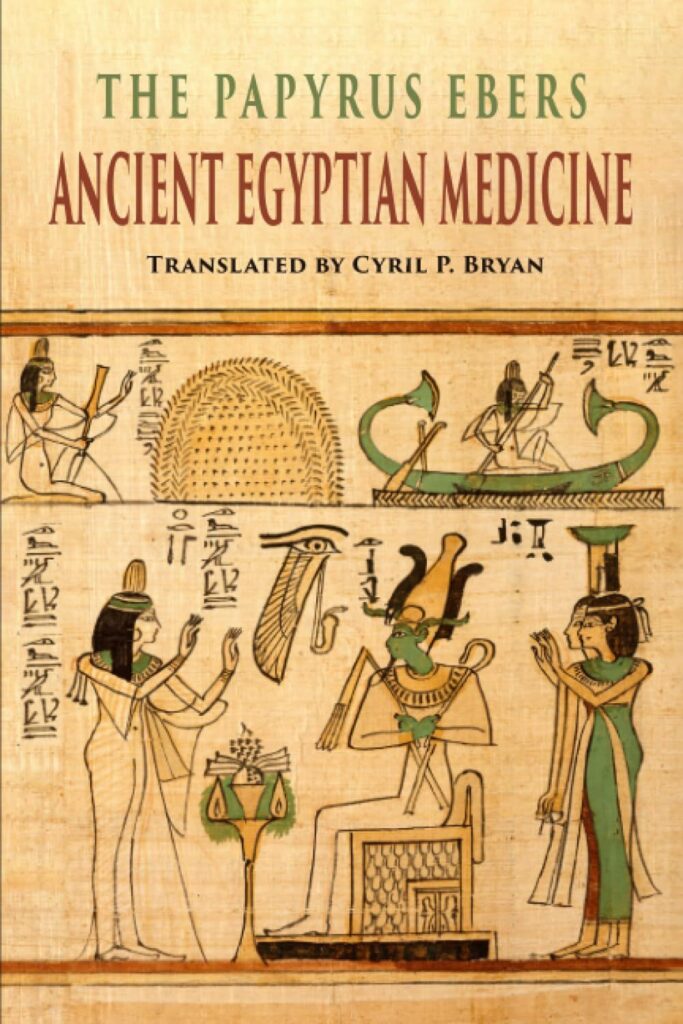
The Egyptians, including Cleopatra, revered it for its skin-healing properties and used it in beauty regimens as well as embalming rituals. The Ebers Papyrus (1550 BCE), a renowned ancient Egyptian medical text, documents Aloe’s use for treating burns, infections, and digestive issues.
In Mesopotamia and India, Aloe Vera was a staple in Ayurvedic and “Folk” medicine, valued for its cooling effects and ability to balance the body’s doshas. Indian healers used it to treat skin diseases, constipation, and even as a tonic for longevity. Meanwhile, Chinese medicine adopted Aloe as a remedy for fungal infections and digestive ailments, calling it Lùhuì.
By the 1st century CE, Greek and Roman physicians like Dioscorides and Pliny the Elder recorded Aloe Vera’s medicinal uses. Dioscorides, in De Materia Medica, described its efficacy in healing wounds and soothing irritated skin. Roman doctors prescribed it for everything from hair loss to mouth ulcers. Traders carried Aloe along the Silk Road, spreading its reputation across Europe and Africa.
During the Middle Ages, Aloe Vera remained a prized medicinal plant in Europe, often grown in monasteries. Spanish missionaries later took the plant to the Americas, where indigenous cultures integrated it into their healing practices. By the 18th and 19th centuries, Aloe Vera was a common household remedy in Europe and the Americas, used primarily to treat burns, cuts, and digestive complaints.
In the 20th century, Aloe Vera’s popularity surged with the rise of the cosmetic and wellness industries. Scientific studies began exploring its active compounds, such as acemannan, which supports immune function and wound healing. Today, Aloe is a global phenomenon—found in skincare products, dietary supplements, and even beverages. Claims of its efficacy range from soothing sunburns and hydrating skin to boosting immunity and aiding digestion.
From ancient healers to modern scientists, Aloe Vera’s journey reflects humanity’s enduring quest for natural remedies. While its benefits for skin hydration and minor wound care are well-documented, its broader medicinal claims continue to inspire devotion.
Aloe Vera (Aloe barbadensis Miller) is one of the most studied medicinal plants, with over 200 biologically active compounds, including vitamins, enzymes, minerals, polysaccharides and phenolic compounds. While traditional uses are vast, clinical and preclinical research supports several specific health benefits.
Aloe Vera - The Science
Scientifically Supported Health and Medicinal Properties of Aloe Vera
Aloe Vera (Aloe barbadensis Miller) is one of the most studied medicinal plants, with over 200 biologically active compounds, including vitamins, enzymes, minerals, polysaccharides and phenolic compounds. While traditional uses are vast, clinical and preclinical research supports many specific health benefits.
Wound Healing and Skin Repair
Multiple randomized controlled trials (RCTs) and systematic reviews confirm Aloe Vera’s efficacy in accelerating wound healing, particularly for burns, surgical wounds, and diabetic foot ulcers.
A 2023 systematic review and meta-analysis of 9 RCTs found that Aloe Vera significantly reduced wound-healing time in second-degree burns by an average of 3.76 days compared to other topical treatments, with no increased infection risk. The review concluded that Aloe Vera expedites wound healing and may be as effective as silver sulfadiazine for burn management [Journal of Burn Care & Research, PubMed].
A double-blind, randomized, controlled trial (2018) on split-thickness skin graft donor sites found that Aloe Vera gel accelerated epithelialization and reduced pain compared to placebo [PubMed].
A randomized controlled trial on cesarean section wounds (90 participants) demonstrated that Aloe Vera gel improved wound healing compared to standard care [PubMed].
For diabetic foot ulcers (DFUs), a single-blinded RCT showed that topical Aloe Vera significantly improved healing compared to standard care, likely due to its anti-inflammatory, pro-angiogenic, and antimicrobial effects [PubMed].
In summary Aloe Vera stimulates collagen synthesis, reduces inflammation (via bradykinin inhibition), and promotes angiogenesis (new blood vessel formation), which are critical for tissue repair [PubMed].
Oral Health: Gingivitis and Plaque Reduction
AloeVera mouthwash and gel have been studied for gingivitis, periodontal disease, and plaque control, with positive results in RCTs.
A 2016 systematic review of clinical trials found that Aloe Vera mouthwash was as effective as chlorhexidine (a gold-standard antiseptic) in reducing plaque and gingivitis, with fewer side effects (e.g., less staining) [PMC].
A randomized, double-blind trial (2014) comparing Aloe Vera mouthwash to chlorhexidine in 345 participants found no significant difference in plaque and gingivitis reduction, suggesting Aloe Vera is a viable natural alternative [PMC].
Antimicrobial properties of Aloe Vera (e.g., against Streptococcus mutans and Candida albicans) contribute to its antibacterial and antifungal effects in oral care [PubMed].
In Summary Aloe Vera’s Anthraquinones (e.g., Aloin), Saponins, and Polysaccharides disrupt bacterial biofilms and reduce oral inflammation.
Blood Sugar and Lipid Control (Type 2 Diabetes and Prediabetes)
Multiple RCTs and meta-analyses support Aloe Vera’s role in improving glycemic control and lipid profiles in prediabetes and type 2 diabetes.
A 2015 randomized, double-blind, placebo-controlled trial (60 participants) found that Aloe Vera gel (300 mg twice daily for 2 months) significantly lowered:
Fasting blood glucose (FBG) (p = 0.036)
HbA1c (p = 0.036)
Total cholesterol (p = 0.006)
LDL cholesterol (p = 0.004) with no adverse effects on liver/kidney function [PubMed].
A 2016 meta-analysis of 5 RCTs (415 participants) found that Aloe Vera supplementation significantly reduced:
FBG (mean difference: −30.05 mg/dL)
HbA1c (−0.41%)
Triglycerides, total cholesterol, and LDL The effects were most pronounced in type 2 diabetes, longer durations (≥8 weeks), and capsule formulations [PMC].
A 2015 double-blind RCT (72 prediabetic subjects) showed that 300 mg and 500 mg Aloe Vera capsules reduced FBG and HbA1c within 4 weeks, with additional lipid profile improvements after 8 weeks [PMC, PubMed].
A 2012 RCT in advanced type 2 diabetes (requiring insulin) found that Aloe Vera improved blood glucose and lipid levels in patients resistant to oral antidiabetic drugs [WHO EMRO].
In Summary, Aloe Vera may enhance insulin sensitivity, reduce oxidative stress, and improve pancreatic beta-cell function via compounds like Acemannan and Chromone derivatives.
Antimicrobial Properties (Antibacterial and Antifungal)
Evidence: In vitro and in vivo studies confirm Aloe Vera’s broad-spectrum antimicrobial activity.
A 2020 study found that Aloe Vera extracts (fillet, rind, flower) exhibited strong antifungal activity against:
Aspergillus flavus
Aspergillus niger
Penicillium funiculosum
Candida albicans with higher efficacy than ketoconazole in some cases [PMC].
Bacterial inhibition has been demonstrated against:
Staphylococcus aureus
Escherichia coli
Pseudomonas aeruginosa
Streptococcus pyogenes likely due to anthraquinones, saponins, and phenolic compounds [PubMed].
Clinical Application: Aloe Vera has been used topically for infected wounds, burns, and oral infections, with case reports supporting its use in radiation ulcers and stasis ulcers [PubMed].
Anti-Inflammatory and Antioxidant Effects
Preclinical and clinical studies support Aloe Vera’s anti-inflammatory and antioxidant properties, which contribute to its wound-healing and metabolic benefits.
In vitro studies show that Aloe Vera inhibits pro-inflammatory cytokines (e.g., TNF-α, IL-6) and scavenges free radicals, reducing oxidative stress [PMC].
Animal studies demonstrate that Aloe Vera reduces inflammation in models of arthritis, colitis, and dermatitis [PubMed].
Human studies (e.g., wound healing trials) indirectly support its anti-inflammatory effects via reduced pain and swelling [PubMed].
In Summary Compounds like acemannan, Aloe-emodin, and vitamin C/E contribute to its immunomodulatory and antioxidant actions.
6. Digestive Health (Limited but Promising Evidence)
Evidence: While traditional use for constipation and IBS is widespread, clinical evidence is limited but growing.
A 2010 RCT found that Aloe Vera cream reduced post-hemorrhoidectomy pain and improved wound healing [PubMed].
Anecdotal and traditional use includes relief from constipation (due to anthraquinone laxatives like aloin), but excessive use can cause diarrhea or electrolyte imbalances [PMC].
Preclinical studies suggest potential benefits for ulcerative colitis and gastric ulcers, but human trials are scarce [PubMed].
Caution: Oral Aloe latex (not gel) contains aloin, which can be toxic in high doses and is not recommended for long-term use due to carcinogenic concerns (IARC Group 2B) [PMC].
Heavy Metal Chelation (Cadmium, Chromium)
Evidence from animal and in vitro studies indicates that Aloe Vera gel may reduce the absorption and toxicity of certain heavy metals, particularly cadmium (Cd) and hexavalent chromium (Cr VI).
Cadmium Detoxification:
A 2024 study found that Aloe Vera gel demonstrates metal-chelating ability and reduces cadmium absorption from the gastrointestinal tract due to its polyphenols (tannins, saponins, flavonoids). The study concluded that Aloe Vera alleviates cadmium-induced liver injury via antioxidative, anti-inflammatory, and anti-apoptotic pathways in animal models [PMC].
Another 2024 study showed that ingestion of Aloe Vera gel relieved oxidative stress from cadmium exposure, modulating inflammatory markers (NF-κB, IL-6) and improving liver cell apoptosis [Springer].
A 2021 review on heavy metal detoxification noted that Aloe Vera is among the herbal compounds studied for chelation therapy, alongside curcumin and silymarin, due to its antioxidant and metal-binding properties [ResearchGate].
Mechanism: Aloe Vera’s polyphenols and polysaccharides may bind to heavy metals, reducing their absorption and enhancing their excretion, while its antioxidants (e.g., vitamins C and E, glutathione) neutralize oxidative stress caused by metal toxicity.

Aloe Vera’s Effects on Liver Protection (Hepatoprotective Effects)
While Aloe Vera does not “detox” the liver in healthy individuals, although it may protect liver cells from damage caused by toxins or heavy metals:
A 2020 clinical study in healthy adults found that extended consumption of purified Aloe Vera gel had no detectable effects on liver enzymes, blood flow, or tissue elasticity, suggesting it does not alter normal liver function but also does not harm it [PubMed].
A 2024 review on Aloe Vera’s hepatoprotective mechanisms highlighted its ability to support liver health by reducing oxidative stress and inflammation in the presence of toxins [PMC].
Key Point: Aloe Vera does not “cleanse” a healthy liver but may help protect it from damage when exposed to certain toxins (e.g., heavy metals).
No Evidence for General “Detox” Claims-Despite marketing claims, there is no scientific evidence that Aloe Vera:
Removes “toxins” from the body in a general sense (the term “detox” is not a recognized medical concept without specifying the toxin).
Enhances liver or kidney detoxification pathways in healthy individuals beyond its antioxidant and anti-inflammatory effects.
Chelates all heavy metals (most evidence is limited to cadmium and chromium in animal studies).
Important Caveat:
Some commercial “detox” products containing Aloe Vera lack clinical validation, and Aloe latex (yellow sap, not gel) has been linked to liver toxicity in rare cases [NCBI LiverTox].
Aloe Vera gel may help mitigate heavy metal toxicity (e.g., cadmium, chromium) in animal models via chelating and antioxidant mechanisms, but human trials are lacking. ✅ It supports liver health by reducing oxidative stress when exposed to toxins but does not “detox” a healthy liver.
No evidence supports general “detox” claims (e.g., removing unspecified toxins, “cleansing” the body).
Aloe latex (yellow sap) should be avoided due to potential liver toxicity.
Bottom Line: While Aloe Vera shows promise for heavy metal chelation and liver protection in preclinical studies, it is not a proven detox agent for general use. More human clinical trials are needed to confirm these effects.
Immune System and Arterial Plaque: What the Science Says
Supported Claims: Yes, Aloe Vera—particularly its Polysaccharide Acemannan—has demonstrated immuno-modulatory effects in in vitro, animal, and limited human studies. However, most evidence is pre-clinical, and human trials are still emerging.
Mechanisms of Immune Modulation
Aloe Vera’s primary immune-boosting compound is Acemannan (a β-1,4-linked Acetylated Glucomannan), which interacts with the immune system in several ways:
Activation of Innate Immune Cells
Acemannan stimulates Macrophages and Dendritic cells via mannose receptors and Toll-like receptors (TLRs, particularly TLR5), triggering the release of pro-inflammatory cytokines (IL-6, IL-8) and enhancing antigen presentation [PMC, PubMed].
This activation boosts the body’s first line of defense against pathogens and may enhance vaccine responses [PubMed].
Adaptive Immune Response
Gut Microbiota Modulation
Aloe Vera gel is rich in prebiotic polysaccharides that support beneficial gut bacteria, which play a critical role in immune regulation [ResearchGate].
Anti-Viral Effects
A preliminary clinical trial in HIV patients found that daily consumption of 30–40 mL of Aloe Vera juice led to a slight increase in CD4+ T-cell counts, suggesting immune support in immunocompromised individuals [PMC].
Aloe-Emodin (an Anthraquinone in Aloe) has also shown anti-viral activity in vitro [PMC].
Enhanced Wound Healing and Anti-Inflammatory Effects
Acemannan’s immune-stimulating properties contribute to faster wound healing by recruiting immune cells to injury sites [PubMed].
Immune System Support: What’s Backed by Science
Aloe Vera (Acemannan) does modulate the immune system by:
Activating Macrophages and Dendritic cells (via TLRs/mannose receptors).
Enhancing adaptive immunity (T-cell activity, antibody production).
Supporting gut microbiota, which influences immune responses.
Showing preliminary benefits in HIV patients (↑CD4+ counts).
Aloe Vera and Arterial Plaque (Atherosclerosis)
Supported Claims: Emerging pre-clinical evidence suggests Aloe Vera may help reduce atherosclerosis (arterial plaque formation), primarily through anti-inflammatory, lipid-lowering, and gut microbiota-modulating effects. However, human clinical trials are lacking.
Mechanisms of Action on Arterial Plaque
Anti-Inflammatory Effects
Lipid-Lowering Effects
Human trials (in diabetic patients) show that Aloe vera lowers LDL cholesterol, total cholesterol, and triglycerides [PubMed, PMC].
In hypercholesterolemic rabbits, Aloe vera gel reduced fatty streak formation (an early stage of atherosclerosis) by improving lipid profiles and reducing inflammation [PMC].
Gut Microbiota Modulation
A 2025 study in ApoE−/− mice (a model for atherosclerosis) found that Aloe vera polysaccharides (AVP):
Mitigated high-fat, high-cholesterol diet-induced atherosclerosis
Restored lipid metabolism homeostasis
Modulated gut microbiota (e.g., increasing Prevotella), which may reduce systemic inflammation via the gut-liver axis [RSC Publishing].
Antioxidant Effects
Aloe vera neutralizes oxidative stress, which is a major contributor to LDL oxidation and plaque instability [PMC].
Arterial Plaque: What’s Backed by Science
Aloe vera may help reduce atherosclerosis by:
Lowering LDL cholesterol and triglycerides (human evidence in diabetics).
Reducing inflammation (a key driver of plaque formation).
Modulating gut microbiota to decrease systemic inflammation (animal evidence).
Preventing fatty streak formation in hypercholesterolemic animals.
Key Takeaways & Cautions
Immune Support:
Strong preclinical evidence for immunomodulation (acemannan).
Limited but promising human data (e.g., HIV CD4+ increase).
Not a substitute for vaccines or immune therapies—more like a supportive agent.
Arterial Plaque:
Preclinical evidence suggests potential benefits via lipid-lowering, anti-inflammatory, and gut-modulating effects.
No direct human trials on plaque reduction—effects are inferred from lipid/cholesterol improvements.
Lifestyle and diet remain the primary tools for atherosclerosis management.
Limitations and Considerations
While the above benefits are supported by controlled studies, several caveats apply:
Mixed Evidence for Some Uses
Chronic wounds (e.g., pressure ulcers): Some studies show no benefit or potential worsening [PMC].
Acne, psoriasis, and HIV: Limited or inconclusive evidence [PMC].
Quality of Studies
Many trials have small sample sizes or methodological limitations (e.g., lack of blinding, short duration) [PubMed, PMC].
More large-scale, long-term RCTs are needed to confirm efficacy and safety [PubMed].
Safety
Topical use is generally safe, with rare allergic reactions (e.g., contact dermatitis) [PMC].
Oral use of Aloe gel is considered safe in moderate doses, but aloe latex (yellow sap) should be avoided due to toxic and carcinogenic risks [PMC].
Contact Us
It’s never too late to enhance your Health and Well-being
Mobile:
+44 07402831614
Email:
redlinesalovera@gmail.com
Whatsapp:
17215861968
 *****Stunning results. I just can’t believe how effective this is and so fast. Thank you Kirsty… I feel like a new man.Peter. Dudley
 *****My red lines have completely disappeared. Redlines Eyes has motivated me into a new, healthy lifestyle. Thanks KirstySheena. Birmingham